
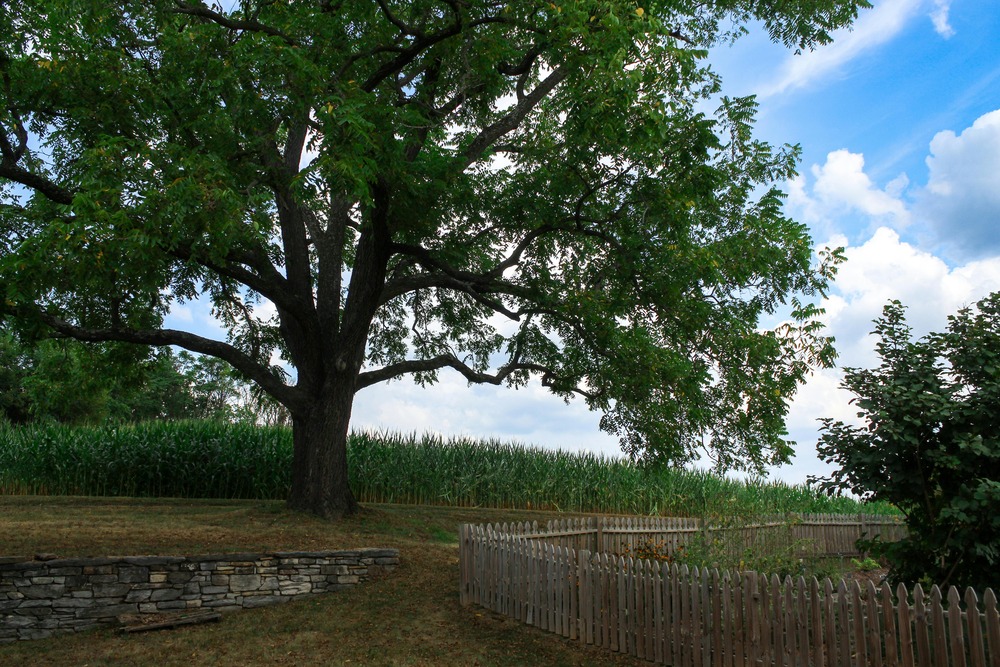
The Garden-Tree Balance: Designing Plant Beds Around Mature Trees
Many gardeners dream of vibrant flower beds filled with texture and color — until a massive tree in the yard seems to foil every plan. Mature trees are stunning in their own right, but their shade, sprawling roots, and constant leaf litter can make planting beneath them feel impossible.
But here’s the good news: garden beds and mature trees don’t have to be enemies. With the right strategies, you can create a thriving, beautiful garden that highlights your trees instead of fighting against them.
Understanding the Challenges of Planting Near Mature Trees
Before you start designing, it helps to understand what makes gardening near trees such a challenge:
Shade: Large canopies block out much of the sunlight, and the amount of light changes seasonally. A spot that feels bright in early spring may be in deep shade by midsummer.
Roots: Mature trees develop shallow feeder roots that absorb water and nutrients, often leaving little for your garden plants. These roots also make digging tricky.
Soil: Years of root activity and falling leaves can leave soil dry, compacted, and nutrient-poor.
Debris: Twigs, seeds, and leaf drop are a constant factor that can smother delicate new plantings.
These challenges can feel discouraging, but they’re also what make tree-side garden beds so rewarding when they succeed.
Strategies for Successful Garden Beds Around Trees
Work With the Roots, Not Against Them
Instead of cutting through major roots, which can harm the tree, look for natural soil pockets between them. Planting in these spaces allows new plants to establish without stressing the tree.
Choose the Right Plants
Select species that tolerate shade, dry soil, and shallow root competition. Good options include:
- Hostas and ferns for lush greenery
- Epimedium and hellebores for seasonal color
- Geranium macrorrhizum for groundcover that thrives in tough spots
- Sedges (like Carex flacca) for texture and movement
Go Vertical
Planters and ceramics are fantastic for creating vertical interest without disturbing roots. They also let you experiment with plants that wouldn’t survive in the ground beneath trees.
Consider Raised Beds — Carefully
A shallow raised bed can work if you leave space around the trunk for air and water exchange. Think of it as a frame around the tree, not a cover-up.
Design Tips for Harmony
Cluster plants in groups rather than scattering. Odd-numbered groupings (3, 5, 7) create bold impact.
Mix textures: Combine soft ferns with bold hostas, fine sedges, and glossy hellebores for layered interest.
Mulch smartly: Mulch helps retain moisture and unify the look, but keep it several inches from the trunk to avoid rot.
Add artistic accents: A ceramic planter, sculptural piece, or decorative vessel from Annie’s Garden can transform shady spaces into focal points.
When to Involve a Professional
Sometimes, the balance between tree and garden requires expert help. Call in an arborist if:
- A canopy is so dense that even shade plants struggle.
- Surface roots are cracking soil, turf, or hardscaping.
- The tree shows signs of stress (dieback, hollow sections, leaning).
- You’re unsure how to safely prune or thin branches.
Safe root and canopy management requires training and equipment. If your tree is making garden design nearly impossible, it may be time to call a tree expert near you: https://roswelltreeservices.com who can help restore balance between healthy trees and flourishing garden beds.
Conclusion
Mature trees don’t have to limit your gardening dreams — they can actually enhance them. By respecting their roots, choosing resilient plants, and adding thoughtful design elements, you can create beds that celebrate both garden and tree.
With a little creativity (and perhaps a ceramic planter or two from Annie’s Garden), even the trickiest spots can be transformed into lush, inviting spaces. And if your tree needs more care than you can handle on your own, a tree expert near you can ensure your garden and trees thrive together.